Have you ever walked out of a barbershop wondering what went wrong with your haircut? This experience is all too common for many men. A bad haircut can linger for weeks, impacting your confidence and self-image. I’ve learned this lesson the hard way, and I want to share my insights with you.
Unlike a poorly cooked meal or an ill-fitting shirt, a bad haircut is not something you can easily fix. You have to live with the results until your hair grows out, which can take weeks or even months. This is why understanding how to recognize warning signs in a barber is essential.
In this article, I’ll guide you through the red flags to watch for, from shop cleanliness to tool hygiene. A great barber not only provides a quality cut but also boosts your confidence and understands your grooming needs. After reading this, you’ll be equipped to make informed choices and avoid the frustration of a bad haircut.
Why Knowing How to Spot a Bad Barber Matters
A haircut can make or break your day, especially if you choose the wrong barber. The impact of a poor cut goes beyond aesthetics; it can significantly affect your confidence and how you present yourself in various situations. Whether it’s a job interview or a first date, your hairstyle often becomes a focal point.
After a disappointing visit to the barber, I felt an immediate drop in my confidence. I avoided mirrors and found myself anxious about how others perceived me. The psychological toll of a bad haircut is real. It can linger, affecting your interactions for days.
Your haircut is one of the first things people notice about you. A poorly executed style can undermine the impression you make, regardless of how well you dress or articulate your thoughts. Natalie Palomino, a master stylist, emphasizes that a bad haircut can ruin six months or more of your confidence. This isn’t just an exaggeration; I’ve seen friends go through similar experiences after a rushed or careless cut.
There are practical risks too. A bad haircut often leads to wasted time and money on corrective cuts. Explaining a bad haircut to colleagues or friends can be awkward, and waiting for your hair to grow back to a workable length is frustrating.
In contrast, finding a good barber who consistently delivers quality results transforms the grooming experience. I look forward to every appointment, knowing I’ll leave feeling sharper and more put-together. This relationship is essential, especially when trying a new barber for the first time. Having a mental checklist of red flags can save you from becoming a cautionary tale.
The stakes are higher than many realize. A barber isn’t just cutting hair; they shape how you present yourself to the world. Choosing the wrong one can have consequences that ripple through every aspect of your life until the cut grows out.
Red Flags in Barber Shop Cleanliness and Environment
As soon as I enter a barbershop, I scan the environment for signs that indicate how much the barbers care about their craft. Cleanliness is not just about looks; it reflects the barber’s commitment to quality service.
Spotting an Untidy or Unkempt Barbershop
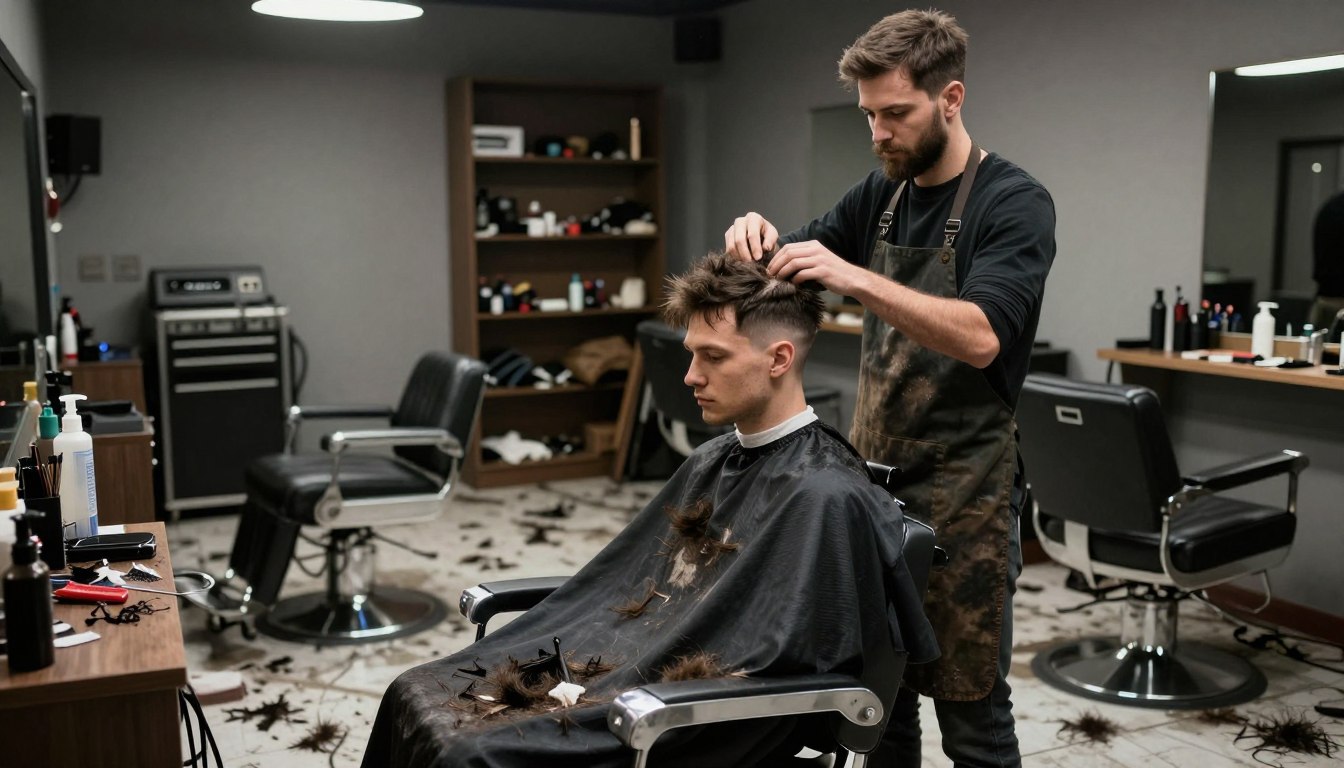
The first thing I do is check the floors. Are there excessive hair clippings scattered around? A few stray hairs are normal, but piles of hair from multiple clients are a major red flag. Next, I look at the mirrors. Are they smudged or covered in product residue? This can indicate a lack of attention to detail.
Mikey Pearson, Director of Manifesto London, emphasizes that it doesn’t matter what price you are paying; a barbershop needs to be spotless. If they don’t care about the shop, they probably don’t care about your hair. I’ve found this to be true in my own experiences. A clean environment often correlates with the quality of the haircut I receive.
Why a Clean Environment Reflects on Barber Quality
The overall aesthetic of the shop matters too. A well-maintained shop front shows attention to detail. I steer clear of places with dog-eared black and white photos from decades ago. Such signs suggest neglect, which could extend to the haircut itself.
Moreover, cleanliness is a health consideration. Celebrity hairstylist Shantise Michelle warns that a dirty salon may indicate a lack of prioritization for sanitation. This can put clients at risk of skin infections from contaminated tools and surfaces.
I also pay attention to subtle cues. Do the barbers wipe down their stations between clients? Are the capes fresh or visibly stained? These details reveal whether the barbers take pride in their workspace. If my gut tells me the shop feels grimy or neglected within the first thirty seconds, I trust that instinct and walk out. A barber who can’t keep their workspace clean is likely cutting corners in ways that will affect the quality of my haircut.
Warning Signs From Barber Tools and Hygiene Practices
When it comes to selecting a barber, the cleanliness of their tools often goes unnoticed, yet it plays a crucial role in your overall experience. Tool hygiene is one of the most overlooked aspects of choosing a barber, but it is critical. Tools that touch multiple clients without proper sterilization can spread bacteria, fungi, and even blood-borne pathogens.
Proper Sterilization and Tool Care
Daniel Davies, General Manager at Pall Mall Barbers, shares an important insight: proper sterilization takes at least ten minutes. If I see a barber simply dip a comb in Barbicide for a few seconds or give clippers a quick spray before using them on me, I become concerned. Those tools haven’t been properly sterilized.
In a quality barbershop, proper tool care looks different. I expect to see multiple sets of clippers and combs rotating through a sterilization cycle. Tools should be stored in UV sanitizers or submerged in hospital-grade disinfectant for the full required contact time. Blades must be changed between clients to ensure hygiene and quality.
Use of New Blades and Sanitary Procedures
A specific red flag I watch for is whether a barber uses a brand new blade when shaving. According to a master barber from Ted’s Grooming Room, this is essential not just for hygiene but also for the quality of the shave. A fresh blade provides a cleaner, smoother result with less irritation.
Now, I ask questions when visiting a new barber for the first time. I inquire about how they clean their tools between clients, whether they use an autoclave or UV sterilizer, and if I can see their sanitation setup. A good barber will be happy to show me this rather than getting defensive.
Proper sanitation practices are a fundamental part of barber training and licensing. If a barber cuts corners here, they are likely cutting corners in their technique and attention to detail as well. I never hesitate to walk away if I see unsanitary practices. No haircut is worth risking a skin infection or worse. The best barbers take pride in maintaining a sterile workstation as a non-negotiable baseline of their service.
The Crucial Role of Consultation Before the Cut
Walking into a barbershop can feel overwhelming, especially when it comes to the consultation process. A good consultation is vital for ensuring that your haircut aligns with your expectations. It sets the tone for the entire experience, allowing both the barber and the client to understand each other’s needs.
Brent Pankhurst, Founder of Pankhurst London, emphasizes that “the most important thing is the consultation.” A barber should never rush into cutting hair without first gathering essential information. When a barber seems impatient or skips this step, it raises a red flag. This indicates they may prioritize speed over quality, which often leads to disappointing results.
What a Thorough Consultation Looks Like
A proper consultation involves several key components. First, the barber should examine your dry hair. This step helps them understand how your hair naturally behaves, which is crucial for making informed recommendations. They should ask about your daily styling routine and how much time you’re willing to invest in your hair each morning.
Additionally, discussing your lifestyle and profession is essential. A good barber will ensure that the cut fits your real life, not just look good while you’re sitting in the chair. This collaborative approach fosters a sense of trust and understanding.
Shantise Michelle advises that a stylist should always assess dry hair first. If a barber immediately sends you to the shampoo station, it might be wise to question their approach. The consultation should also include inquiries about your hair history, such as any recent treatments or box dye usage. This information is vital for achieving the desired results.
Why Rushing Into the Cut is a Bad Sign
When a barber rushes through the consultation, it often leads to miscommunication and unmet expectations. I’ve experienced that sinking feeling when a barber barely glances at my hair before reaching for the clippers. In contrast, a thorough consultation leaves me feeling heard and understood.
A barber who skips this important step may not fully grasp your preferences or the specific needs of your hair. They might not consider your face shape or hair type, which can result in a cut that doesn’t suit you. It’s crucial to create a dialogue during the consultation, where the barber listens to your preferences while also providing professional input.
In my experience, if a barber seems annoyed by my questions or tries to rush into the cut, I take it as a sign that they don’t prioritize client satisfaction. Finding someone who values the consultation process is essential for achieving the best results.
Assessing Barber’s Knowledge on Hair and Style Preferences
A skilled barber should possess an understanding of hair that goes beyond mere cutting. This knowledge is essential for providing a haircut that truly complements a client’s unique features. I often test new barbers by asking what styles they believe would work best for my specific hair type and face shape. Their responses reveal whether they have genuine expertise or are simply offering vague suggestions.
Understanding hair types is fundamental to quality barbering. Fine hair behaves differently from thick or curly hair. A barber who treats all hair the same way is likely to deliver inconsistent results. I’ve learned that a great barber tailors their approach based on the individual characteristics of each client’s hair.
Face shape analysis is equally important. A skilled barber can assess the proportions of my forehead, cheekbones, and jawline. They should recommend cuts that create balance and highlight my best features. If they can’t do this, it raises concerns about their training and experience.
Mikey Pearson, Director of Manifesto London, advises that if I ask about the latest hair trends and the barber doesn’t know, I should run. A barber who doesn’t stay current is offering outdated services that won’t keep me looking modern and sharp. Similarly, Natalie Palomino points out that a barber lacking knowledge about different hair textures and face shapes may simply be inexperienced.
There’s a significant difference between a barber who executes one or two signature cuts on everyone and a great barber who adapts their technique to each client. I always prefer the latter, even if it means paying a higher price or waiting longer for an appointment.
Barbering is a skill that requires continuous education. The best barbers I’ve encountered are those who attend workshops, follow industry leaders on social media, and genuinely get excited about new techniques. Their passion translates directly into better results for their clients.
Evaluating Products and Grooming Advice Offered
Understanding the products a barber recommends can significantly impact the longevity of your haircut. A good barber’s expertise extends beyond the chair and into the products they suggest for your hair. If they can’t provide tailored advice, it raises a red flag about their overall knowledge.
Recommendations Tailored to Your Hair Type
Joe Mills, a celebrity men’s hairstylist, emphasizes that barbers should advise on what products to use for specific hair types. If a barber skips this step or offers generic recommendations, it shows a lack of genuine expertise. This should make you think twice about returning.
During my visits, I expect a quality barber to ask about my current grooming routine. They should inquire whether I prefer a matte or shiny finish, how much hold I need throughout the day, and if I have any scalp concerns. This attention to detail is crucial for ensuring the products will meet my needs.
Awareness of Styling Products and Hair Care
Understanding the differences between product types is vital. A knowledgeable barber can explain why pomades, pastes, creams, and sea salt sprays work differently. For instance, if my hair is fine and needs volume, they should recommend the right formulations to achieve that look.
The best barbers I’ve encountered carry a curated selection of professional-grade products. They can discuss the ingredients and benefits of each one rather than pushing whatever brand they have a commission deal with. This shows their commitment to quality services and client satisfaction.
Moreover, product recommendations should evolve based on the specific cut I’m getting. A textured crop requires different styling products than a slicked-back undercut. If a barber doesn’t adjust their advice accordingly, it indicates a lack of holistic thinking about my grooming experience.
Shampoo and conditioner recommendations are equally important. A barber who cares about the longevity of their work will guide me on proper hair care between visits. This includes how often to wash and which formulations will keep my hair healthy without stripping natural oils.
Now, I view product advice as an essential part of the barbering service. If a barber can’t or won’t guide me on maintaining my cut at home, I take my business elsewhere. A great cut that I can’t recreate myself is only half the value I’m paying for.
How to Use Social Media and Online Reviews to Your Advantage
In today’s digital age, finding the right barber starts online. Researching a barber before your visit can save you from disappointment. I always begin my search on social media platforms like Instagram. Here, I can view a barber’s portfolio of recent work. This step is crucial, as it helps me gauge their style and skill level.
Shantise Michelle warns that if a barber can’t show examples of their past work, it’s a major red flag. Even fresh stylists should have a portfolio showcasing cuts from their training. An inability to provide visual proof of their skills raises suspicion about their abilities.
When scrolling through a barber’s social media, I look for consistency in quality across various hair types and styles. I pay close attention to the details in fades and line work. It’s essential that the overall aesthetic aligns with what I want, rather than just being impressive in isolation.
Next, I turn to online reviews on platforms like Google Reviews and Yelp. Here, I focus on patterns rather than individual complaints. If multiple reviews mention issues like rushed service or poor attention to detail, that’s a reliable signal. Conversely, one angry review about a specific situation might not reflect the typical experience.
It’s also important to differentiate between genuine reviews and suspicious ones. I tend to be wary of shops boasting only five-star reviews that all sound similar. Instead, I pay more attention to detailed reviews that mention specific barbers by name and describe particular aspects of the service.
Additionally, I examine how a shop responds to negative reviews. A professional response that addresses concerns shows they care about client satisfaction. In contrast, defensive or hostile responses are clear signs to stay away.
Overall, social media and online reviews have transformed how I find great barbers. I now consider this research step just as important as the in-person evaluation. It allows me to filter out bad options before I’ve invested any time or money.
Recognizing Unprofessional Behavior and Customer Service Issues
When visiting a barbershop, it’s essential to be aware of the interpersonal dynamics at play. Often, the subtle cues can indicate whether a barber is genuinely interested in providing quality service or if they are merely going through the motions. A barber should show interest in me every time I sit down in the chair. If they seem distracted, check their phone repeatedly, or engage in conversations with other barbers while ignoring me, it reflects a lack of respect for my time and business.
Brent Pankhurst, Founder of Pankhurst London, highlights that a good barber should remember details about my work and social life from visit to visit. If I find myself reintroducing myself and repeating the same information every time, it suggests that the barber views me as just another head to process rather than a valued client. This lack of attention can lead to an unsatisfactory experience.
Signs of Poor Attention to Client Needs
Another red flag to watch for is pushiness. Shantise Michelle warns against barbers who pressure clients into getting cuts they don’t want or upselling products that aren’t needed. A good barber will listen to my preferences and offer recommendations without making me feel uncomfortable or bullied. If I feel pressured, it’s a clear sign to reconsider my choice.
Moreover, I’ve noticed that some barbers engage in what Daniel Davies refers to as “queue watching.” In walk-in shops, this can manifest as barbers rushing through a cut to prioritize a client they prefer or dragging out a service to avoid someone they don’t want to deal with. This inconsistency in service quality is a clear indication of unprofessional behavior.
Pushiness and Inconsistency in Service
Consistency in service quality is vital. If a barber delivers a fantastic cut one visit and a mediocre one the next, it raises concerns about their skill level. I need to trust that my barber can deliver quality every time, especially for important events. A barber who can’t maintain this standard makes it hard to feel confident in their abilities.
Additionally, I pay close attention to how a barber manages scheduling and wait times. A professional who respects appointments and communicates honestly about delays shows respect for clients. On the other hand, chronic overbooking and rushed services signal a shop that prioritizes volume over quality. This can lead to rushed cuts and an overall negative experience.
In conclusion, I’ve learned to trust my instincts when it comes to customer service red flags. Even the most technically skilled barber isn’t worth the frustration of feeling disrespected or undervalued as a client. There are plenty of talented barbers who also know how to treat people well. I encourage everyone to remain vigilant and attentive to these signs, ensuring that every haircut experience is a positive one.
Time Management and Appointment Considerations
The time allocated for your haircut can reveal much about the barber’s approach to quality. Mikey Pearson, Director of Manifesto London, bluntly states, “Time is everything.” When I see a shop that offers ten-minute appointments, I view it as a major red flag. A quality cut requires attention to detail, proper consultation, and careful execution. None of these can be rushed without sacrificing results.
I’ve found that the sweet spot for appointment length with a quality barber is typically twenty to forty minutes, depending on the complexity of the cut. Anything significantly shorter makes me suspicious that corners are being cut somewhere in the process. It’s essential to understand the relationship between appointment scheduling and business priorities. Shops that focus on high-volume, quick-turnover models often rush through services. In contrast, barbers who book adequate time for each client demonstrate a commitment to quality over quantity.
Why Short Appointments Might Signal Quality Problems
In my experience, a barber who rushes through appointments may not be providing the best service. Quality barbers take the time to ensure that every detail is perfect. This includes proper aftercare. Ted’s Grooming Room’s master barber emphasizes that after shaving, the barber should clear the face of any creamy remnants and apply a second hot towel. This step helps relieve the skin from the exertions of the blade. Just because the skin has no cuts doesn’t mean recovery isn’t necessary.
The Importance of Proper Aftercare and Follow-up
Aftercare is a critical part of the service that shouldn’t be overlooked. Natalie Palomino notes that how you treat your hair at home dramatically impacts its health. A quality barber will take the time at the end of the appointment to discuss maintenance, recommend products, and ensure I understand how to recreate the style on my own between visits.
Additionally, I’ve come to expect follow-up practices from great barbers. They check on how the cut is growing out and make adjustments between appointments if something isn’t sitting right. This genuine investment in my long-term satisfaction shows that they care about more than just getting me out the door.
In conclusion, time management is one of the most reliable indicators of a barber’s overall approach to their craft. I would rather wait a week for a proper appointment with a barber who takes their time than walk into a shop that promises to have me in and out in fifteen minutes flat.
Questions You Should Ask Your Barber to Avoid a Bad Cut
When preparing for a haircut, knowing the right questions to ask can make all the difference. This section serves as a practical toolkit that I wish I had years ago. Here, I’ve compiled specific questions I now ask every new barber before they touch my hair. These questions are organized into categories covering hygiene, technique, style, and maintenance. This way, you can walk into any shop feeling prepared and confident.
Clarifying Style Preferences and Hair History
Start with questions that help clarify your style preferences and hair history. This is crucial for ensuring the barber understands your needs:
- What styles do you think would work best for my face shape and hair type?
- Can you show me examples of similar cuts you’ve done on clients with hair like mine?
- Have you worked with hair like mine before?
A barber who can answer these confidently is more likely to deliver satisfactory results.
Inquiring About Tools, Products, and Techniques
Next, ask about the tools and products they use. This helps you gauge their professionalism:
- How do you sterilize your tools between clients?
- Do you use fresh blades for every shave?
- What products would you recommend for my hair type?
If a barber gives vague answers or seems annoyed by these questions, it’s a sign that sanitation and quality may not be priorities.
Additionally, understanding their techniques can provide insight into their skill level:
- What’s your approach to the consultation process?
- How long have you been barbering?
- Do you stay current with new techniques and trends?
A barber who can speak enthusiastically about their ongoing education demonstrates dedication to quality service.
Practical Maintenance Questions
Finally, address maintenance to ensure you can keep your haircut looking great:
- How should I style this cut at home?
- How often will I need to come back for maintenance?
A barber who can provide tailored advice about maintenance is thinking about your long-term satisfaction.
Asking these questions isn’t being difficult or high-maintenance. It’s about being an informed consumer who values their appearance. Any barber who makes you feel otherwise is confirming exactly why you need to ask these questions in the first place.
Conclusion
Transforming my grooming experience began with learning to recognize the signs of an inexperienced barber. I no longer dread trying new shops or worry about regrettable cuts. This reliable framework for evaluating barbers ensures I make informed choices.
Throughout this article, I’ve highlighted key red flags to watch for: a disorganized shop, improperly sterilized tools, and rushed consultations. A barber who lacks knowledge of hair types or face shapes is a significant concern. Unprofessional behavior and prioritizing speed over quality can lead to disappointing results.
Finding a great barber is worth the effort. A skilled professional who understands my preferences becomes an essential part of my grooming routine. Remember, you deserve quality service. If red flags arise, don’t hesitate to walk away. It’s better to leave before the cut than to endure weeks of regret.
Use the tips and questions provided in this guide on your next visit. These skills will become second nature, saving you from countless bad hair days. The best barbers appreciate informed clients who care about the details, leading to a rewarding relationship that enhances your grooming experience.
FAQ
What should I look for in a good barber?
A great barber will listen to your style preferences, provide a thorough consultation, and demonstrate knowledge about different hair types and face shapes. Cleanliness and proper tools are also essential indicators of quality.
How can I tell if a barbershop is clean?
Check for an organized workspace, clean tools, and a tidy environment. A well-maintained shop reflects the barber’s commitment to hygiene and quality service.
Why is a consultation important before getting a haircut?
A thorough consultation allows the barber to understand your needs and preferences. Rushing into a haircut without discussing your desired style can lead to unsatisfactory results.
What are some red flags regarding barber tools?
Look for signs of proper sterilization and the use of new blades. If the barber uses dirty or dull tools, it can affect the quality of your haircut and your safety.
How can I use social media to find a good barber?
Check the barber’s social media for examples of their past work. Look for client reviews and feedback to gauge the quality of their services and overall customer satisfaction.
What should I ask my barber during a consultation?
Inquire about their experience with your hair type, their preferred tools and products, and any techniques they recommend for achieving your desired style.
What does unprofessional behavior look like in a barber?
Signs include poor attention to client needs, pushiness in upselling products, and inconsistent service. A good barber will prioritize your comfort and satisfaction.
How do appointment times affect the quality of service?
If appointments are rushed or too short, it may indicate a lack of attention to detail. A good barber will allocate enough time for each client to ensure quality results.
What types of products should a barber recommend?
Recommendations should be tailored to your specific hair type and styling preferences. A knowledgeable barber will suggest products that enhance your hair’s health and appearance.
Why is it important to read online reviews?
Online reviews provide insights into other clients’ experiences. They can help you identify the strengths and weaknesses of a barber, allowing you to make an informed decision.